
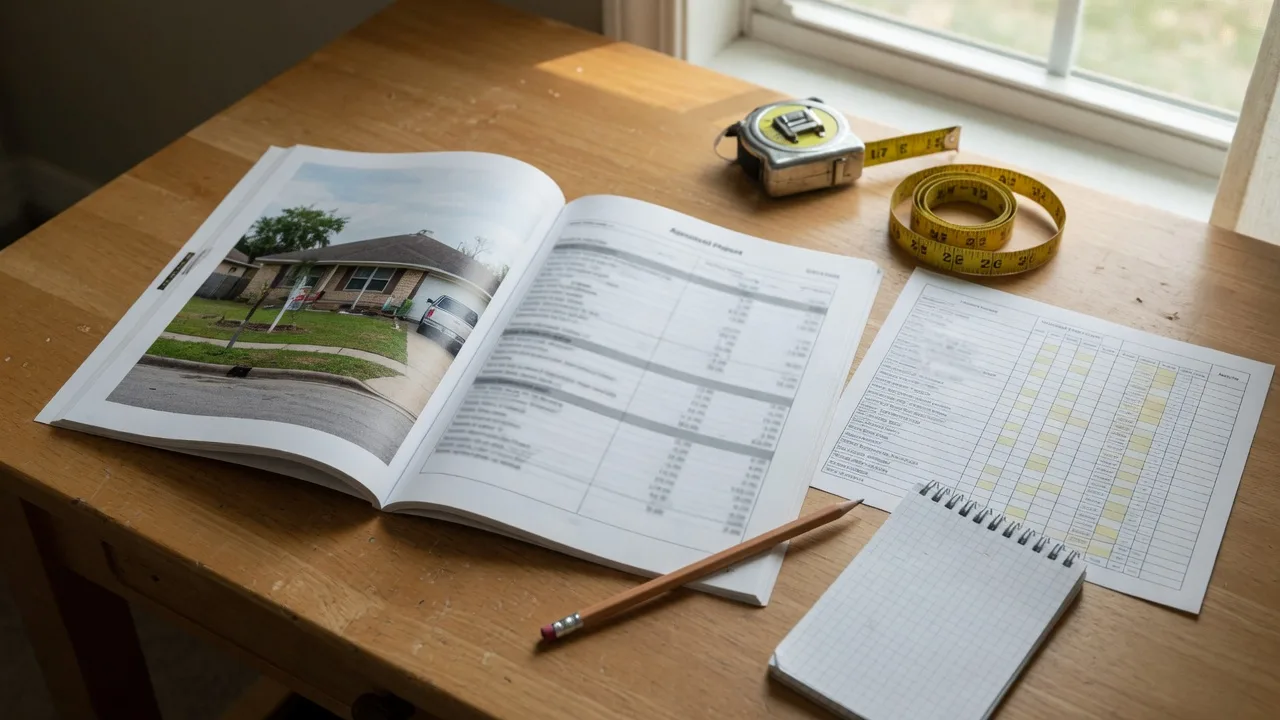
Patriot Nation, the appraisal is the referee between what you agreed to pay and what a licensed appraiser says the home is worth. When the referee and the contract disagree, the deal does not die, it just gets interesting. Here is the exact game plan I run with buyers when the number comes in low.
Appraisal came in low? Send me the report.
I read the report for errors, sanity-check the comps, and tell you honestly whether to renegotiate, bridge, dispute, or walk, before you make any move.
First, what the low number actually changes
Lenders lend on the lower of the contract price or the appraised value. If you offered $300,000 and the home appraises at $290,000, your loan is built on $290,000, which raises your loan-to-value and changes the cash you need at closing. Someone has to absorb the $10,000 gap: the seller through a price drop, you through extra cash, or the deal ends. That is the whole problem, and it has a whole playbook.
Step one: read the report like a detective
Appraisals are written by humans, and humans make mistakes. Check the basics first: the square footage, the bedroom and bath count, the lot size, the condition rating, and whether the appraiser used the right comps from your actual neighborhood. One wrong fact can skew the value, and a corrected fact is the cheapest fix in the whole process. The dedicated low appraisal explainer covers the report-reading checklist in detail.
Step two: verify the comps yourself
Pull the sold listings around the home and ask the hard questions: are the comparable sales truly comparable, or did the appraiser reach into a weaker area? Were there pending sales or recent price cuts the appraiser missed? In our market, comps from across a major road or a school boundary can sit in genuinely different price worlds, especially in the Hill Country where one street can separate very different values.
Step three: renegotiate with the seller
This is where most deals get saved. The appraisal gives you a legitimate, documented reason to ask for a price reduction, and sellers often accept it because the alternative is restarting the whole process with a new buyer who will face the same appraisal. The negotiation uses the same all-in-one package skills as any counteroffer; my price negotiation guide shows the language and the structure.
Step four: bridge the gap, on purpose
Rounded example, not a quote
Contract at $300,000, appraisal at $290,000. The gap is $10,000. If you bring $10,000 more to closing, the loan still works at $290,000. The question is whether you believe the house is worth $300,000 or better over time, based on the market, not the emotion.
Bridging means bringing extra cash above your normal down payment math, or negotiating the seller down partway. Your cash-to-close planning lives in the three-buckets guide.
Also check your agreement for an appraisal gap clause. Some offers include one explicitly, stating how much of a gap you are willing to cover, and some contracts let the financing appraisal protect you entirely. Know what you signed before you negotiate, it changes the leverage.
Bridge or walk: run the numbers, not the nerves.
I model the gap against your actual cash position and the market's direction, so bridging is a decision, never a guess.
Step five: dispute it with an ROV
A reconsideration of value is the formal request to your lender to review the appraisal with new evidence. ROVs work when you bring real ammunition: strong sold comps the appraiser overlooked, pending sales that support your price, and corrections of factual mistakes. They are not a guarantee, and appraisers do not move just because you are unhappy, which is why steps one and two come first. Ask your loan officer how to submit an ROV on your file, what evidence the lender accepts, and how long the review takes before you start.
And the legitimate last move: walk
Walking is not failure, it is math. If the seller will not come down, the gap is beyond your budget, and the ROV failed, the honest answer is that the house and your finances are not a match at that price. In Texas, your option period and appraisal-related protections exist precisely so you can make that call without losing your earnest money. We regroup, adjust the search, and find the house that appraises. The how much to offer guide helps prevent the next low appraisal by pricing offers against the market from day one.
Frequently Asked Questions
What happens if the appraisal comes in lower than my offer? Tap to expand
What is an appraisal gap? Tap to expand
Can I dispute a low appraisal? Tap to expand
Who pays for a second appraisal? Tap to expand
Should I walk away if the appraisal is low? Tap to expand
One low number is not the end of the story.
Because I sit on both sides, the mortgage and the sale, I can read an appraisal with the lender's brain and negotiate it with the agent's voice. That is the dual-license advantage working for you.

Patrick Kevin Fagan
Senior Mortgage Loan Officer and Texas REALTOR | AXEN Realty LLC | Greater San Antonio and Texas Hill Country
Licensed Sales Agent | 454749 | TX
Sincerely, Patrick Kevin Fagan
Appraisal and ROV processes vary by lender, loan program, and contract. Dollar figures are labeled examples. Read your contract and confirm lender policy on your file.