Quick Answer
New construction can pressure resale values when buyers can get a new home at a similar price nearby, but it helps values when the new supply is higher-priced, the resale has a better lot or location, or the community is built out. The risk is concentrated in the corridors where new inventory competes directly with resale at the same price point.
The resale question is a supply question. In the fast-growing corridors around San Antonio, a wave of new builds at the same price as your resale creates competition: buyers compare your home's age and updates against a brand-new house with builder incentives, and the new house often wins the comparison unless your lot, location, or upgrades carry the day.
In the built-out neighborhoods, new construction helps: it raises the neighborhood's overall price level, and the scarcity of land keeps resale values climbing. The honest answer is that your home's resale risk is set by how much new inventory sits at or below your price point within the same school district and commute ring, and that is a number I can show you before you buy.
When new builds compete with your resale
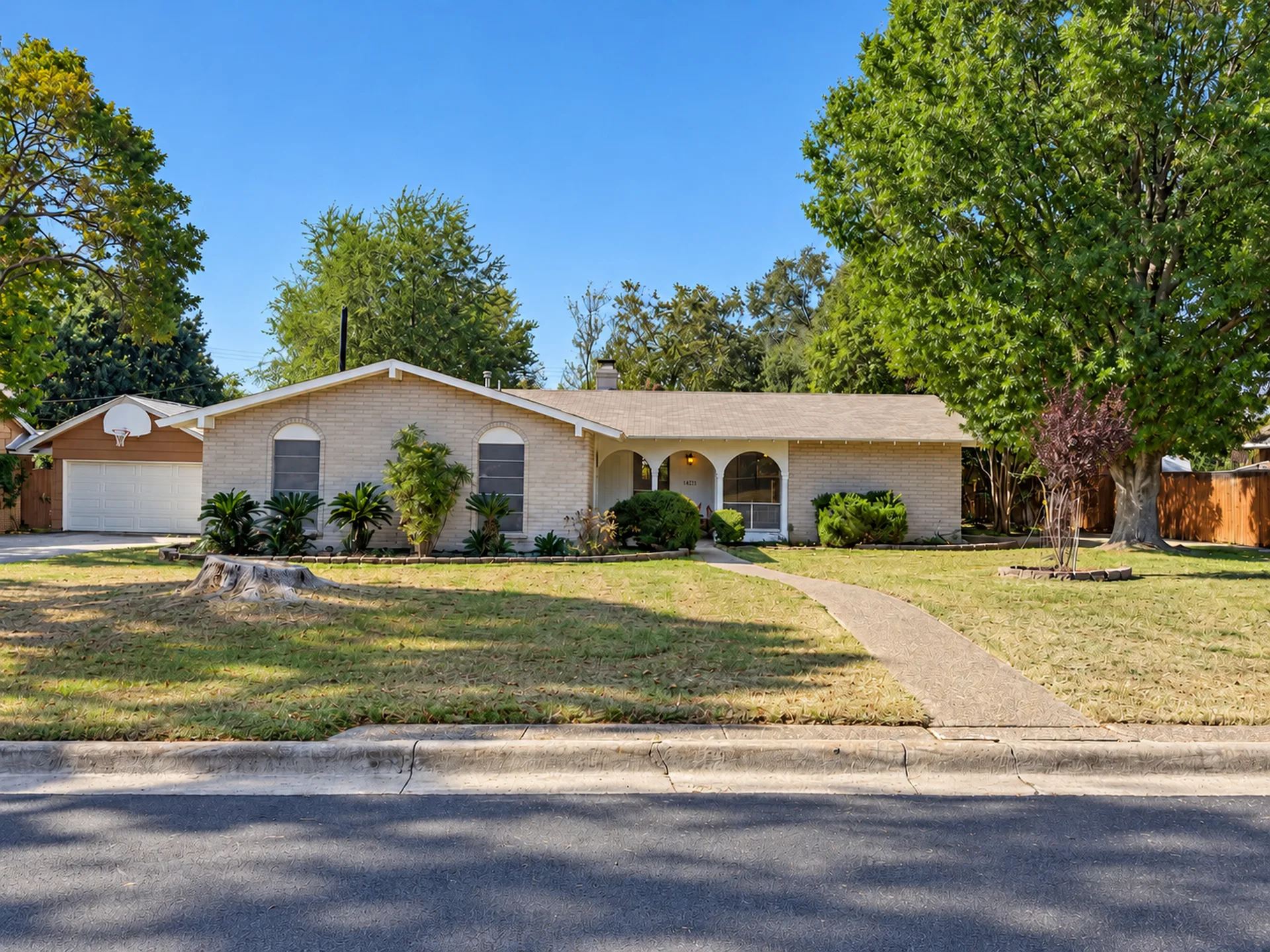
If a buyer can purchase a brand-new home five minutes away for the same price you would ask, your resale has to justify its age with a better location, a bigger lot, mature trees, or a stronger school assignment. In the corridors where builders keep feeding inventory at entry and move-up prices, that competition is real and constant.
Buyers in those corridors often demand a price discount on resale, or add upgrades and financing concessions that eat the seller's net. I show sellers exactly what the new-build competition is doing to their price before they list.
When new builds help your value
In built-out neighborhoods, new construction is a tailwind: it pushes the neighborhood's median price higher, and the lack of new land makes existing homes scarcer. The Hill Country communities and the older established districts are the clearest examples, where the inventory around you is older, not newer.
The signal to watch is price: if the new builds around you start above your home's value, they lift you. If they start below, they cap you.
What protects your resale in a building market
The protections are the same things buyers cannot get from a new house: a larger lot, a mature yard, a location closer to work or school, a finished interior the builder calls an upgrade, and a community that is complete. Buyers pay for scarcity and time, so the resale that holds value is the one that is hardest for a builder to copy.
When you sell, the framing changes too: builder incentives force resale sellers to compete on price, and my guide on competing with new builds that offer big incentives draws that battle plan.
Ask Patrick about resale protection
Get a read on the new-build competition in your market before you buy or price.