
Quick Answer
The four shocks are: much lower home prices, higher property tax rates (but lower bills at the same price point), a very different insurance market, and a Texas contract with an option period instead of California's contingencies. None of these are bad, they are just different, and knowing them turns a surprise into a plan.
California buyers move to San Antonio for the same reason every year: dramatically more house for the money. The price is the part everyone expects. The surprises are in the details that follow, the tax bill, the insurance quote, the way the offer works, and the speed of the whole transaction.
I have walked countless California families through these differences, and the ones who sail through are the ones who adjusted their expectations before the first offer. The market is not worse, it is different, and the differences mostly work in your favor once you understand them.
Prices and what they buy
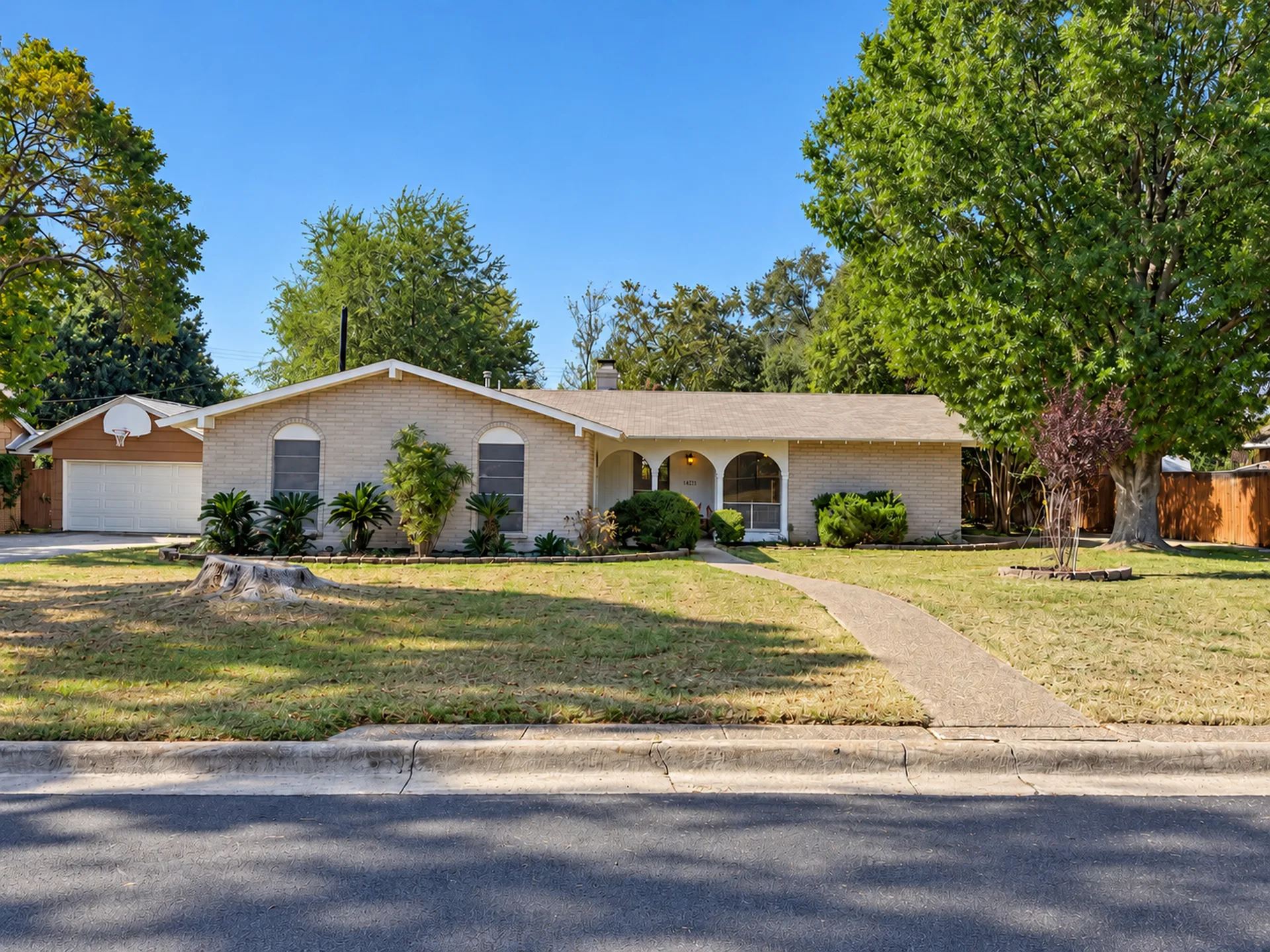
A typical San Antonio home price is a fraction of the comparable California metro, and the price band for most of Patrick's buyers runs from about $300,000 to $1,000,000. That means the California budget that bought a condo can buy a house with a yard in Stone Oak, or acreage in the Hill Country.
My relocation page for this exact move has the full breakdown: moving from California to San Antonio.
Property taxes: higher rate, smaller bill
Texas has no state income tax, and it funds local services with property tax. The rate looks high, often around 1.5% to 2.4% depending on the district, but because the price is lower, the actual annual bill is often far below what a California homeowner paid at a similar property value. Add the homestead exemption and the 10% appraisal cap, and the bill is manageable and predictable.
The exact math for a $300,000 San Antonio home is in my answer to how much are property taxes on a $300,000 home.
Insurance is a different animal
Texas homeowners insurance is more costly and more complicated than California in several ways: wind and hail deductibles in the 1% to 2% range, roof condition questions, and a market that has tightened. Get insurance quotes before the offer, not after, and read the wind and hail deductible line carefully.
I explain the deductible that surprises most buyers in my answer to what is a percentage wind and hail deductible.
The option period replaces California-style contingencies
The Texas contract uses an option period: you pay a small fee for the right to terminate for any reason during a set window, usually 7 to 10 days, while you do the inspections. There is no California-style inspection contingency that lets you back out later. The option period is your inspection and exit window, so use it completely.
The mechanics are on my page about the Texas option fee.
Ask Patrick about the California move
Get a straight answer on the tax, insurance, and contract differences before you buy.