Quick Answer
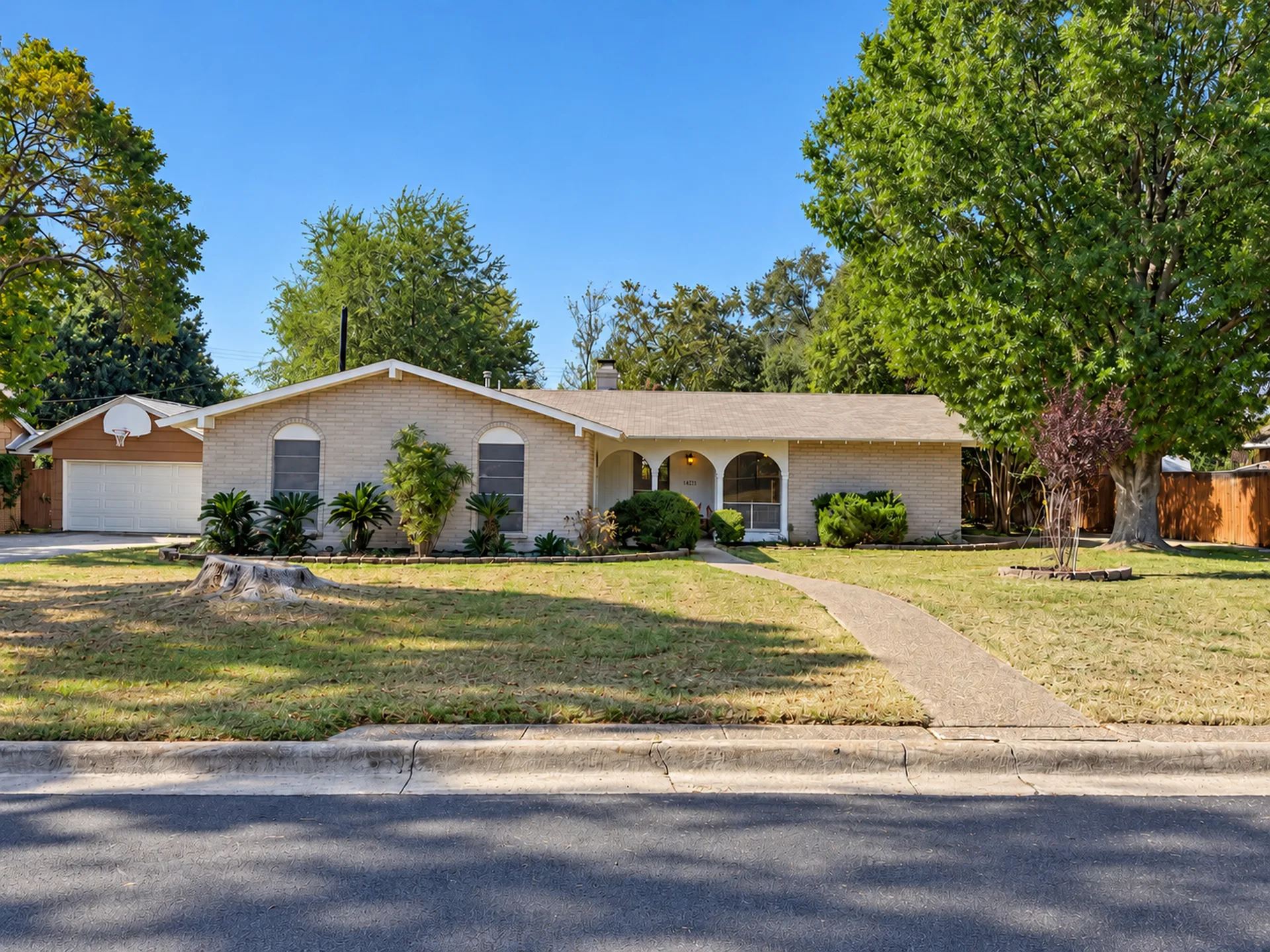
The house down the street sold at a different moment, with different square footage, condition, updates, and lot. Your agent is pricing your home against today's active inventory and recent closings, and a lower list price is often a deliberate strategy to generate showings and multiple offers, not a sign that your home is worth less.
List price is a marketing number, not a value statement, and the neighbor's sale price is history, not a target. Buyers compare your home to what is on the market today, and if your price sits above today's comparables, the showings stop and the offer never comes.
A skilled agent prices on the buying psychology: list slightly under the market's top comparable to widen the buyer pool, generate urgency, and let the offers land at or above where a stale higher price would have sat for 60 days. If your agent cannot show you the comparables behind the number, ask for them. If they can, the lower price is a strategy with math behind it.
List price, market value, and the neighbor's sale are three different numbers
Market value is what a ready, willing buyer will pay today. List price is where you start the conversation. The neighbor's sale is what their specific home brought on their specific day. A comparison that ignores square footage, updates, lot size, and timing compares apples to last year's oranges.
Your agent should show you the adjusted comps, not just quote a number. If the neighbor's home has more square footage, a newer roof, or a bigger lot, the math explains the difference on paper.
Why pricing under a recent sale can win
Buyers search by price range, and a list price just under a big round number or just under the neighborhood's last sale pulls your home into more searches. More showings mean more competition, and more competition raises the final price. An overpriced listing gets the opposite: fewer showings, longer days on market, and eventually a price cut that looks worse than the original price.
The full strategy, including when this works and when it does not, is in my guide to seller pricing strategy.
When to push back on the price
Push back when the agent cannot justify the number with comparables, when the price ignores a major upgrade you just paid for, or when the agent's motivation looks like a quick sale instead of a good one. A professional welcomes the questions and shows the math.
The test is simple: ask to see the adjusted comps and the days-on-market data at the proposed price. If the answer is numbers, trust it. If the answer is a feeling, get a second opinion.
Patrick's pricing conversation checklist
Before You Accept a List Price
- ✓Ask for the three to five adjusted comparables behind the number.
- ✓Confirm the comps compare square footage, condition, updates, and lot.
- ✓Ask what the days-on-market data says at your price point.
- ✓Ask what happens after two weeks if showings are slow.
- ✓Decide your walk-away price before you negotiate with yourself.
Ask Patrick about your list price
Get a straight answer on whether your agent's price is right for today's market.